Aluminum Door And Window Machine: Maintenance Handoffs Across a Mixed Door and Window Cell
Contents
This guide addresses aluminum door and window machine maintenance guide for maintenance handoffs across a mixed door and window cell. An effective maintenance plan connects machine condition with the quality and availability of the aluminum door and window machine process. It identifies what operators may inspect, what qualified service personnel must handle, which evidence triggers an intervention and how production is released afterward. The machine manual remains the authority for actual service methods and intervals.
For maintenance handoffs across a mixed door and window cell, the practical starting point is separate door and window drawings, maximum member weights and changeover frequency. Define a consistent interior or exterior profile face and its finished reference end, then verify the result through door versus window profile identification. This keeps the aluminum door and window machine decision tied to the parts and production conditions that the factory actually needs.
Aluminum Door And Window Machine: connect maintenance to the process and its failure modes
For an aluminum door and window machine, begin with the work it must keep reliable: switching between door and window cutting, drilling, milling and joining tasks. The maintenance plan should protect a consistent interior or exterior profile face and its finished reference end and the condition of supports for tall sections, hardware cutters and changeable corner tooling. Link each inspection to an observable production effect. This makes the plan easier to use than a generic list of tasks copied from an unrelated machine.
Typical warning signs include an inverted feature pattern or a setup carried over from the previous profile family, changes in accepted output and repeated operator interventions. Record when a symptom appears, which profile is involved and whether it follows a tool, program or material change. A useful log helps distinguish equipment deterioration from an incorrect setup or a changed incoming material condition.
Separate operator observations from service work
An aluminum door and window machine operator can record visible condition and process behavior within the approved operating procedure. Adjustment, repair and access to hazardous areas belong to trained, authorized personnel using the manufacturer’s instructions and the site’s isolation procedure. Do not turn a production checklist into an improvised repair manual.
Define who receives a finding and what stops further production. The checklist should name the affected part, symptom and evidence, such as a photograph or measurement record. Avoid vague entries such as machine bad. Clear observations allow the service team to prepare the correct diagnostic steps and reduce repeated explanations across shifts.
A shop may process short window rails in the morning and long door stiles after lunch. A remembered stop position or reused clamp pad can look reasonable while locating the second product against the wrong face. The first assembled kit reveals the mistake later, when rework is more expensive.
Protect references, supports and tooling condition
The aluminum door and window machine relies on clean, undamaged reference and support surfaces. Inspect them using the methods and intervals specified by the aluminum door and window machine supplier. A buildup or damaged contact point can affect repeatable seating long before the control reports an alarm. Include the profile-contact items that are changed between families, because an unsuitable replacement can reproduce the same fault.
Keep supports for tall sections, hardware cutters and changeable corner tooling identified and traceable. Record installation, approved settings and the condition at removal where relevant. Tool life should be judged with the actual aluminum door and window machine quality requirements and the aluminum door and window machine supplier’s guidance. A tool that still completes a cycle may already produce unacceptable edges, geometry or surface marks.
Separate geometry changes from tooling changes. A new length may require only a program selection, whereas a deeper track section may require different support and a new interference review. Keep the two changes on separate setup records so that operators do not assume a familiar program makes an unfamiliar cross-section acceptable.
Monitor utilities and machine condition consistently
For the aluminum door and window machine, record the utility and condition indicators that the manufacturer identifies as relevant to the aluminum door and window machine configuration. Compare changes under similar operating conditions. A one-time value with no workload context may be difficult to interpret, whereas a repeated change associated with the same defect can guide a focused service investigation.
Use approved lubricants, consumables and service procedures. Confirm the exact model and revision before using an instruction from another machine. Do not generalize a maintenance interval or fluid specification across the product family. Where the manual gives both time-based and usage-based requirements, use the rule specified for the actual aluminum door and window machine operating pattern.
| Process choice | Potential role | Evidence to request |
|---|---|---|
| Dedicated door and window cells | A focused route where the workload is stable and manual tasks are defined. | Door versus window profile identification on a long door stile with lock and hinge features, followed by a short window rail and a track section |
| A shared cell with controlled changeovers | A route to compare when repeated setup or handling affects the accepted output. | Orientation of locks and hinges before and after a family change |
| A mixed-order CNC cell with recipe control | A broader configuration to evaluate against the actual application and support needs. | Support of long and heavy members during a representative complete run |
Control programs, recipes and replacement parts
Maintenance of an aluminum door and window machine also includes preserving the accepted process information. Keep controlled backups of programs, recipes and configuration data through the aluminum door and window machine supplier-approved method. Record changes with a reason and an owner. A restored machine can make incorrect parts if it is paired with an outdated profile library or tooling offset record.
Plan spares by production consequence and supplier lead time. Identify items that are configuration-specific and those that can be sourced through an approved local channel. Store identification and compatibility information with the spare. A physically similar sensor, valve, holder or drive is not automatically an acceptable replacement for the installed component.
Schedule work around production constraints
For the aluminum door and window machine, consider changeover work between tall door profiles and lighter window sections when choosing service windows. A task on a shared resource may stop several operations, while another can be planned during a normal family change. Keep required maintenance visible in the capacity plan so that production targets do not depend on repeatedly postponing necessary work.
Group tasks only when the aluminum door and window machine supplier procedures and access conditions allow it. Record which tasks were completed and which remain open. An inspection that could not be performed should remain unresolved rather than being marked complete because the aluminum door and window machine restarted. This matters when the next shift relies on the maintenance record to release a demanding profile family.
Equipment for aluminum profiles should not be described as suitable for every plastic, steel or composite system without a material-specific trial.
Prove the process after intervention
Release the aluminum door and window machine through an appropriate first-part check after work that could affect the aluminum door and window machine process. Use a long door stile with lock and hinge features, followed by a short window rail and a track section where relevant and verify door versus window profile identification, orientation of locks and hinges, support of long and heavy members, first-part approval after changeover. Compare with the retained accepted sample and the controlled drawing. A successful empty cycle or cleared alarm does not establish that the aluminum door and window machine again produces acceptable parts.
Keep the service action, replaced items, program state and inspection result in one record. If the symptom returns, this history prevents the next technician from repeating the same unsuccessful change without learning from it. The release criteria should be proportional to the affected function and agreed with the aluminum door and window machine supplier for the installed configuration.
Prepare a usable support and maintenance package
Ask Maichen for the aluminum door and window machine manual, planned service requirements, recommended spares and the information needed for remote diagnosis. Provide separate door and window drawings, maximum member weights and changeover frequency and describe the aluminum door and window machine production schedule so the aluminum door and window machine support plan reflects the workload. Confirm the service boundary and response arrangement in writing rather than assuming a general website statement defines the contract.
Track complete accepted door and window kits alongside recurring quality or downtime symptoms. This connects maintenance effort with the aluminum door and window machine production result and helps prioritize the next improvement. Keep safe service procedures in the authorized manual and use the production log to show what changed, when it changed and whether the verified corrective action held during subsequent work.
Relevant Maichen equipment and the next step
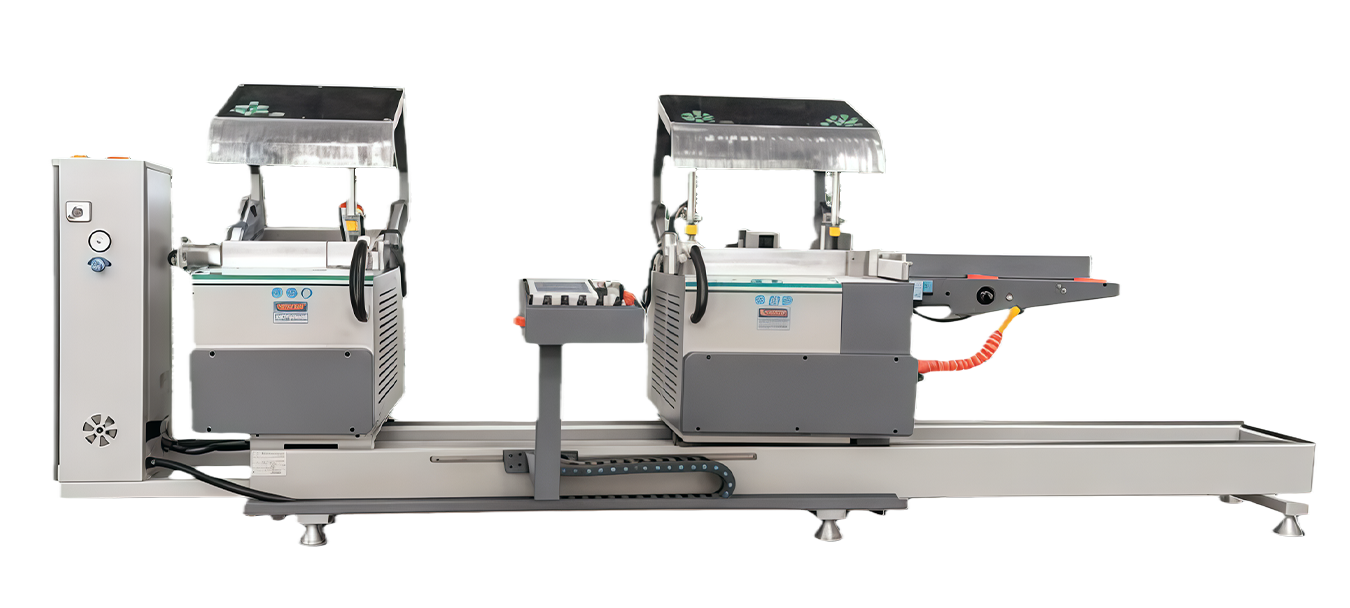
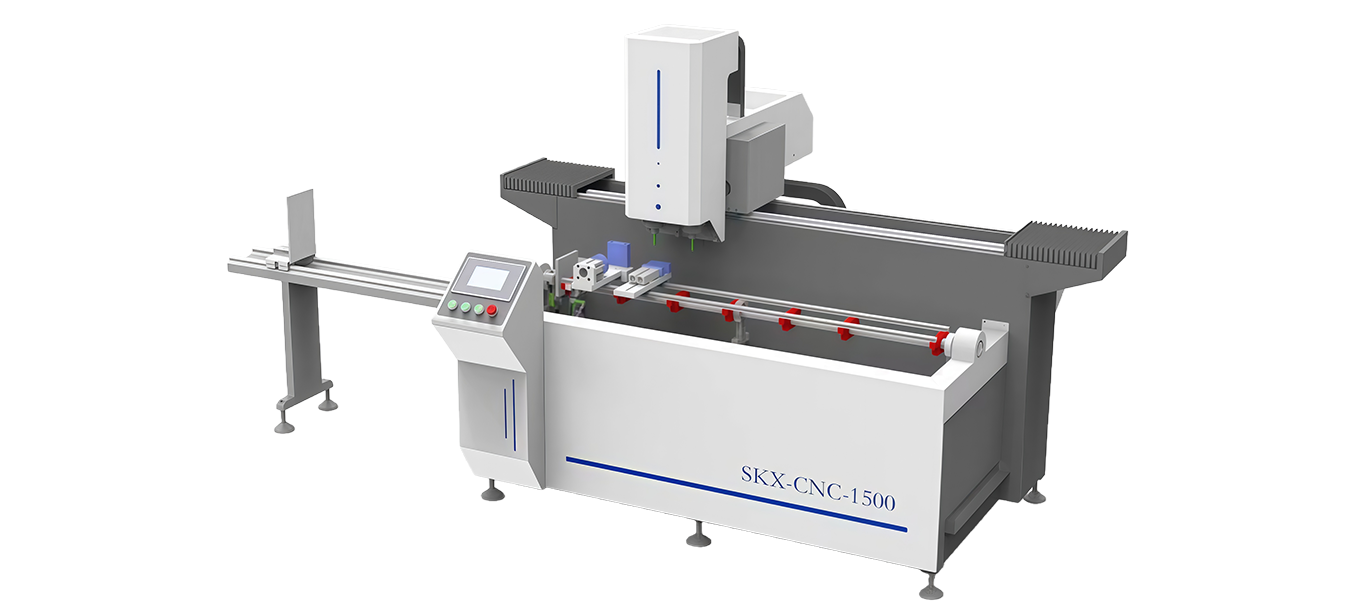
To develop this aluminum door and window machine maintenance guide review, explore CNC Three-Head Cutting Saw for Sliding Doors, Aluminum Profile CNC Drilling and Milling Machine-1500, Aluminum Door & Window Heavy-Duty Synchronous Corner Crimping Machine. Compare the listed configuration of each model and confirm the tooling, working range and automation options needed for your parts. Request an application trial on the proposed configuration before finalizing the process.
For maintenance handoffs across a mixed door and window cell, compare the wider Intelligent Door & Window Production Line range and send the technical team separate door and window drawings, maximum member weights and changeover frequency. Include the current constraint and the required complete accepted door and window kits so the proposal can address the production task.
For additional material background, consult the Aluminum Association selected 2009 extrusion tolerance tables. Use the current agreed material and product drawings for acceptance; a general reference does not replace application-specific limits.
Discuss your application with Maichen. Use the form below to request a configuration-specific service and inspection discussion, or contact the technical team. Include a long door stile with lock and hinge features, followed by a short window rail and a track section as the proposed review case so the discussion can start with representative work.
Frequently asked questions
Which aluminum door and window machine maintenance schedule should be followed?
Use the manual and service guidance for the exact aluminum door and window machine configuration, adjusted through the supplier-approved process for the actual workload. Generic online intervals should not replace those instructions.
What belongs in an aluminum door and window machine maintenance log?
Record the symptom, part and material identity, program or recipe revision, observed condition, action taken and verified result. Relate recurring findings to complete accepted door and window kits.
Who may adjust an aluminum door and window machine to correct a defect?
No. Work must remain within the operator’s authorized procedure. Repairs and adjustments requiring special access or isolation belong to trained personnel following the manufacturer’s instructions and site controls.
Why should aluminum door and window machine programs and recipes be backed up?
The aluminum door and window machine depends on the accepted process data as well as mechanical condition. Controlled backups help restore the correct program, profile library and recipe after an authorized intervention.
How is an aluminum door and window machine released after service?
Perform the checks relevant to the serviced function using the controlled drawing and a representative first part. Confirm door versus window profile identification and any other affected characteristics before normal production resumes.