Aluminum Window Machine: Specifying a Complete Window Fabrication Cell
Contents
This guide addresses aluminum window machine specifications for specifying a complete window fabrication cell. A technical specification should allow a supplier to prove that the proposed configuration can make the required parts. A list of maximum speeds and travels is insufficient. Define the workpiece, feature locations, access constraints, operating sequence and acceptance evidence together.
For specifying a complete window fabrication cell, the practical starting point is profile cross-sections, a window schedule, hardware drawings and the planned shift pattern. Define the finished cut end and the profile face identified on the system drawing, then verify the result through completeness of each window kit. This keeps the aluminum window machine decision tied to the parts and production conditions that the factory actually needs.
Aluminum Window Machine: start with the parts and the process boundary
An aluminum window machine specification should begin with frame rails, sash members, mullions and glazing beads and the required work: cutting, feature machining, end preparation and corner assembly. State the condition in which material arrives and the condition in which the next process expects to receive it. Include identification and handling responsibilities. Otherwise an apparently complete machine proposal can leave an essential transfer or preparation operation unassigned.
Provide profile cross-sections, a window schedule, hardware drawings and the planned shift pattern. Mark mandatory requirements separately from preferences and future expansion ideas. This allows a supplier to explain a practical compromise without silently treating an essential feature as optional. A sample part is useful, but it should accompany a controlled drawing because a sample alone may not communicate tolerances or revision history.
Define the real working envelope
For the aluminum window machine, check the workpiece in its clamped position, with the actual aluminum window machine tools and supports present. Maximum travel, nominal stock length and usable processing length describe different things. Include projecting lips, hardware channels and any part of the profile that could interfere with a toolholder, guard or clamp during the approved operation.
The reference is the finished cut end and the profile face identified on the system drawing. Show feature positions from that reference, including features close to an end or on another face. Where re-clamping or repositioning is proposed, require the aluminum window machine supplier to explain how the reference is preserved and how the final relationship is verified. Do not assume that a feature is reachable merely because it fits inside a simplified rectangular envelope.
A small factory can accumulate cut rails while waiting for one routing station. Buying a faster saw increases that pile without adding a single finished window. Count complete kits at the assembly handoff and identify why incomplete kits are waiting.
Specify tooling and workholding as part of the system
The aluminum window machine proposal should identify saw blades, milling cutters, corner tools and profile-specific supports, including which items are supplied for the initial profile family. Ask who designs special tooling, which drawings are needed and how a new profile will be qualified. A machine without the necessary application tooling may be mechanically complete while still being unable to make the ordered parts.
Include the aluminum window machine inspection requirements associated with parts that pass individual checks but cannot be assembled into a square frame. Workholding should support the approved process without damaging visible surfaces or distorting the part beyond its acceptance condition. Review the released part as well as the clamped part. For complex geometry, request a fixture or tooling drawing and a representative aluminum window machine sample trial before finalizing the aluminum window machine configuration.
Build the aluminum window machine process map from a real window family. Mark which member receives each hole, slot or end treatment, and include handed parts. Assign a reference face that survives every transfer. A part label should identify both its order and its orientation, because the correct length alone does not identify a usable frame member.
Describe control, data and identification requirements
For an aluminum window machine, define how the operator obtains and selects a job. Possible inputs include manual dimensions, stored programs, a barcode or data from another system. Specify the actual aluminum window machine format, revision information and responsibility for conversion. A general statement about software compatibility is insufficient evidence that a particular customer file will produce the correct part.
Test wrong-order and revised-drawing cases in a controlled way. The system should make the intended job and part orientation clear before processing. If the aluminum window machine process includes a label or a carrier, define when its identity is created and checked. Keep completed, rejected and remade parts distinguishable so that an apparently correct production count does not hide an incomplete kit.
| Process choice | Potential role | Evidence to request |
|---|---|---|
| Separate manually transferred stations | A focused route where the workload is stable and manual tasks are defined. | Completeness of each window kit on one complete casement-window kit, one sliding-window kit and a small remanufacture order |
| CNC machines with shared part labels | A route to compare when repeated setup or handling affects the accepted output. | Miters and frame diagonals before and after a family change |
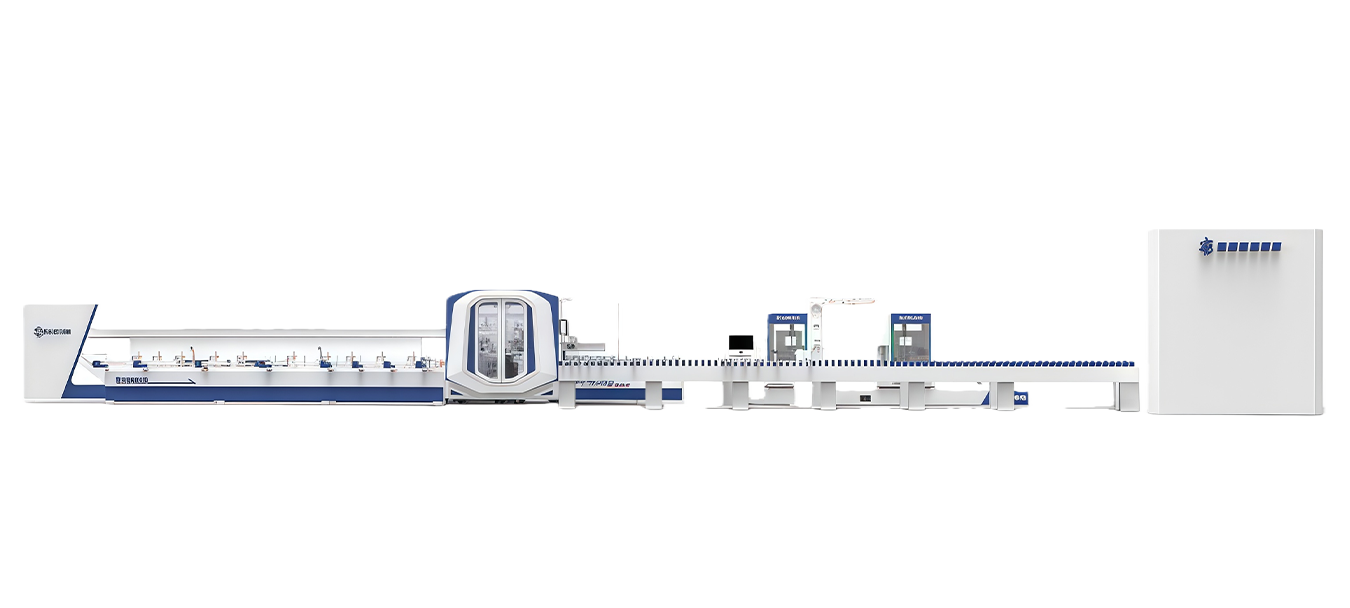
| Connected processing and sorting line | A broader configuration to evaluate against the actual application and support needs. | Hardware locations and drainage features during a representative complete run |
Confirm utilities, space and access
An aluminum window machine needs a site plan that includes more than its external dimensions. Show incoming stock, outgoing parts, operator access and the space needed for approved service activities. Consider the slowest shared operation, including assembly and inspection when arranging the handoff. A layout that fits the aluminum window machine but obstructs material movement can reduce usable output or create avoidable handling work.
Confirm the selected electrical supply, air requirements and any chip or waste collection provisions with the aluminum window machine supplier and qualified local installers. Keep source-page values attached to their exact model and configuration. Do not extrapolate a utility rating from a neighboring model. Agree which utilities and site preparations are the buyer’s responsibility before arranging shipment.
Compare alternative configurations explicitly
The main process alternatives for the aluminum window machine are Separate manually transferred stations; CNC machines with shared part labels; Connected processing and sorting line. Use the same drawing package and acceptance criteria for each one. Compare the required manual actions, changeover steps, reachable features and expansion limits. An alternative may be suitable because it simplifies the real work rather than because it has the largest number of axes or the highest stated speed.
Document deviations in an exception list. Each exception should identify the affected part family, operational consequence and proposed resolution. Keep future options separate from installed capability. If a proposal depends on a later software module or a special tool that has not been tested, the aluminum window machine acceptance plan should make that dependency visible.
A window machinery package is a collection of defined operations. It does not automatically include glazing, sealing, hardware installation or finished-window testing.
Write an acceptance plan before ordering
The aluminum window machine should be tested with one complete casement-window kit, one sliding-window kit and a small remanufacture order. Agree who supplies material, which drawing revision applies and how results will be measured. Include normal setup and identification work in the demonstration. The checks should cover completeness of each window kit, miters and frame diagonals, hardware locations and drainage features, surface condition after handling and the practical ability to repeat the result after an ordinary changeover.
Distinguish factory acceptance from site acceptance. A factory test can verify the configured machine and application, while the site test also verifies installation, utilities, local workflow and operator handoff. Define the records needed to close an issue. A video can support the evidence, but measured results and the actual aluminum window machine configuration should remain traceable.
Send a specification package that can be answered
For a focused aluminum window machine review, send Maichen a short application summary, the controlled drawings and the required accepted window sets per shift. Attach the site constraints and the aluminum window machine trial matrix. Ask the aluminum window machine supplier to respond requirement by requirement, identifying the proposed model, included options, evidence and any remaining technical question.
The final specification should support later decisions as well as the purchase. Keep tooling changes, program revisions and new profile approvals tied to it. When the product mix changes, review the affected requirement instead of assuming the original machine acceptance covered every future part. A clear specification makes both expansion and troubleshooting more manageable.
Relevant Maichen equipment and the next step
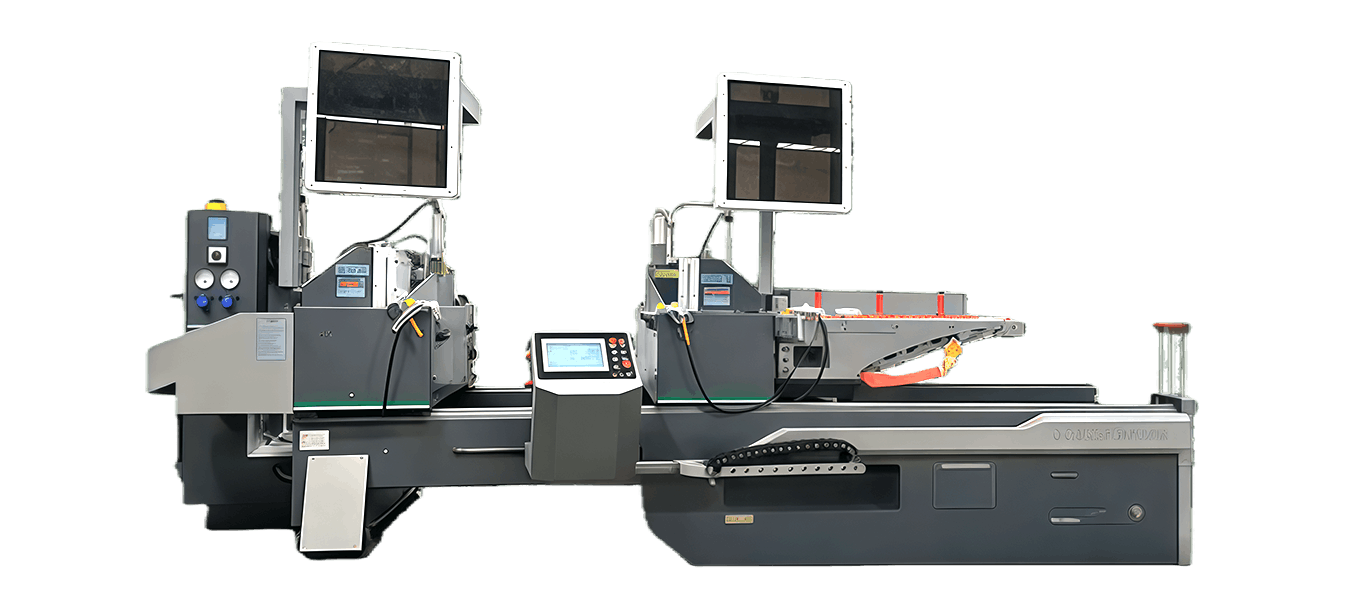
To develop this aluminum window machine specifications review, explore Intelligent Door & Window Production Line, Aluminum Profile CNC Double Head Precision Cutting Saw, CNC Four-Head Corner Crimping Line. Compare the listed configuration of each model and confirm the tooling, working range and automation options needed for your parts. Request an application trial on the proposed configuration before finalizing the process.
For specifying a complete window fabrication cell, compare the wider Intelligent Door & Window Production Line range and send the technical team profile cross-sections, a window schedule, hardware drawings and the planned shift pattern. Include the current constraint and the required accepted window sets per shift so the proposal can address the production task.
For additional material background, consult the Aluminum Association selected 2009 extrusion tolerance tables. Use the current agreed material and product drawings for acceptance; a general reference does not replace application-specific limits.
Discuss your application with Maichen. Use the form below to request a requirement-by-requirement configuration review, or contact the technical team. Include one complete casement-window kit, one sliding-window kit and a small remanufacture order as the proposed review case so the discussion can start with representative work.
Frequently asked questions
What information is needed to specify an aluminum window machine?
Provide profile cross-sections, a window schedule, hardware drawings and the planned shift pattern. Explain the incoming and outgoing condition of the work and define the required accepted window sets per shift. This gives the aluminum window machine review a measurable application boundary.
Does aluminum window machine travel equal its usable working range?
No. Clamps, tool access, profile geometry and approved repositioning can reduce the usable working envelope. Verify the actual part and required feature locations in the proposed configuration.
Should an aluminum window machine specification include tooling?
Yes. Specify saw blades, milling cutters, corner tools and profile-specific supports and responsibility for special tooling. The aluminum window machine should be evaluated as a configured production process rather than a machine body without its application equipment.
How is aluminum window machine software compatibility confirmed?
Use representative customer files and the intended interface version. Verify the correct job, dimensions, orientation and revision through a controlled trial, including rejected parts and remakes if they are part of the workflow.
What belongs in an aluminum window machine acceptance test?
Use one complete casement-window kit, one sliding-window kit and a small remanufacture order and check completeness of each window kit. Include the agreed inspection method, setup and handling boundary, and any relevant changeover or recovery scenario.