5 Proven Benefits of Intelligent Door & Window Production Line
Introduction
In an era defined by rapid industrial automation and digital transformation, manufacturers in every sector are looking for intelligent solutions that boost productivity, enhance quality, and ensure sustainable growth. The door and window fabrication industry is no exception. Traditional manual and semi‑automated production approaches, prevalent just a decade ago, are struggling to meet modern demands for precision, speed, and customization. Enter the intelligent door & window production line — a comprehensive solution that integrates robotics, CNC machining, real‑time data analytics, and digital workflow orchestration to usher in a new age of manufacturing excellence.
This article dives deep into the five proven benefits that make an intelligent door & window production line indispensable for competitive door and window factories today. We’ll cover automation breakthroughs, precision gains backed by data, digital system intelligence, flexible customization capabilities, sustainability and safety improvements, global market trends, real examples of adoption, and key questions manufacturers are asking — all with clear, actionable insights.
Blog Overview / Key Points
Before we begin, here’s what you’ll gain from this article:
- A clear definition of the Intelligent Door & Window Production Line.
- How full automation improves throughput and reduces costs.
- Ways precision cutting and CNC machining deliver consistent quality.
- Advantages of digital intelligence in production optimization.
- Flexible customization for multi‑variant orders.
- Detailed comparisons vs. traditional systems.
- Real industry data and outcomes from smart line adoption.
- FAQ section with practical answers for decision‑makers.
- Sustainability and safety benefits grounded in green manufacturing objectives.
- Global market context and growth projections for smart automation in door/window fabrication.
The Intelligent Door & Window Production Line – A Powerful Definition
What This System Really Is
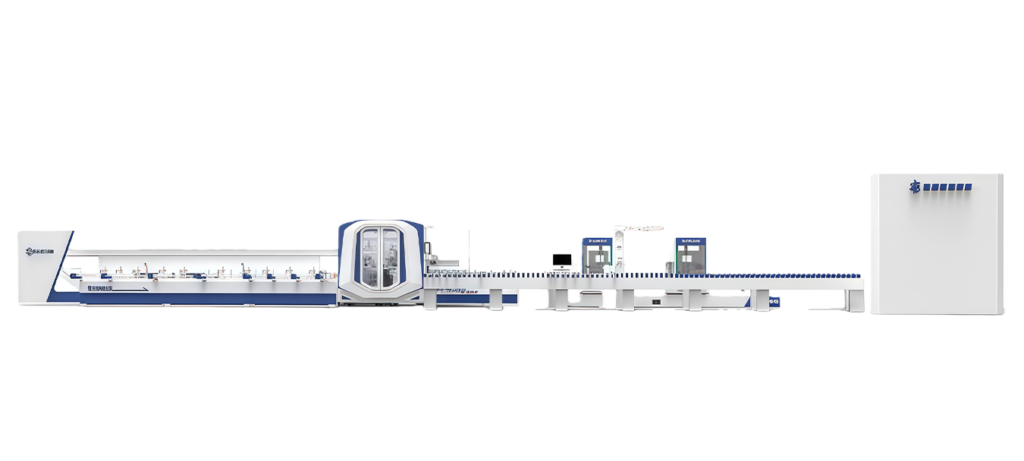
An intelligent door & window production line refers to a fully integrated manufacturing system that combines hardware automation (such as robotic material handling and CNC machining) with software intelligence (real‑time monitoring, scheduling, and data analytics). The goal is to create a seamless, digital, and highly efficient manufacturing workflow from raw material to finished product.
Unlike traditional production setups where machines often operate independently, an intelligent door & window production line forms a cohesive ecosystem capable of adapting to orders, reporting performance metrics, and autonomously optimizing processes — all in real time.
Key Technical Components
Here are the main building blocks of modern intelligent door & window production lines:
- Automated Material Handling: Robotics and conveyors load, position, and prepare raw profiles for production without manual input.
- CNC Cutting & Machining: Computer‑controlled tools provide precise cuts, drilling, and milling with tolerances as tight as ±0.1 mm.
- Smart Software Hub: A digital brain that schedules tasks, traces production parameters, and instruments data interfaces for management systems.
- Feedback Systems: Sensors detect tool wear, machine status, and quality deviations for immediate corrective action.
- Real‑Time Dashboards: Visual tools display unit counts, cycle times, and energy usage to supervisors for on‑the‑fly adjustments.
1. Extreme Productivity Gains Through Full Automation
Doubling or Tripling Output
One of the most dramatic benefits of switching to an intelligent door & window production line is the immediate improvement in productivity. Manufacturers using 24/7 automated systems report up to 300% increases in output when compared to traditional manufacturing lines. In one case, an automated line achieved as high as 4,200 finished units per day versus 1,400 units/day typical with legacy systems.
The reason is simple: Automation eliminates manual delays, reduces idle machine time, and allows round‑the‑clock operation without fatigue or shift changes.
Example — Cycle Time Reduction
As an example from automated CNC cutting systems, cycle times per window frame dropped from roughly 90 seconds in a manual setup to around 22 seconds in one automated deployment — a nearly 4x speed improvement.
Reducing Bottlenecks and Idle Time
These smart lines use predictive scheduling systems driven by AI, meaning machines aren’t idle while waiting for instructions or setup changes. IoT sensors and advanced scheduling tools keep every part of the line moving, reducing production bottlenecks and enabling truly continuous manufacturing.
2. Precision, Consistency, and Quality Control
CNC Machining — Accuracy That Matters
At the heart of intelligent door & window production lines lies precision CNC machinery. These tools execute cuts, drilling, and shaping with sub‑millimeter precision — often within ±0.1 mm tolerance.
This level of accuracy ensures:
- Frames fit perfectly every time
- Seals and joints align correctly
- Weather resistance and structural performance are consistent
Minimizing Human Error
Human measurement and manual cuts can introduce variances of well over 1 mm or more, leading to waste, rework, and quality defects. With automation, the error rate drops significantly, and first‑pass yield — the rate of products meeting quality standards on the first try — approaches 99.9% in well‑tuned lines.
Material Waste and Cost Savings
Higher precision also means more efficient use of raw materials. By reducing off‑cuts and mistakes, factories can save significantly on aluminum and other profile materials — contributing directly to lower cost per unit produced.
3. Intelligent Software and Digital Mastery
Beyond Automation — Smart Decision Support
The automation hardware is only part of the picture. The true power of a modern intelligent door & window production line lies in its software infrastructure:
- Real‑time production dashboards
- Machine‑to‑machine communication
- Predictive maintenance alerts
- Integration with ERP and MES systems
These components form the digital brain of the factory, making decisions based on data — not guesswork.
Production Management Systems (MES/ERP)
Modern intelligent door & window production lines integrate tightly with ERP (Enterprise Resource Planning) and MES (Manufacturing Execution Systems), providing a single view of production flow. This enables:
- Automated scheduling
- Live monitoring of equipment status
- Digital traceability of components
- Faster reaction to changing order requirements
In fact, workshops using MES software report improvements such as 20% production efficiency increases and 95% on‑time delivery rates due to better scheduling and monitoring capabilities.
Predictive Maintenance – Saving Time and Money
IoT sensors and machine learning models can forecast when parts are likely to wear out or fail, enabling maintenance action before a breakdown occurs. Typical benefits include:
- 60% reduction in unplanned repairs
- 18% lower energy consumption through optimized motor load detection
as shown in real manufacturing case data.
This kind of system preserves uptime and dramatically reduces costly downtime events.
4. Flexible Production Capabilities for Multi-Variant Orders
Handling Customization Efficiently
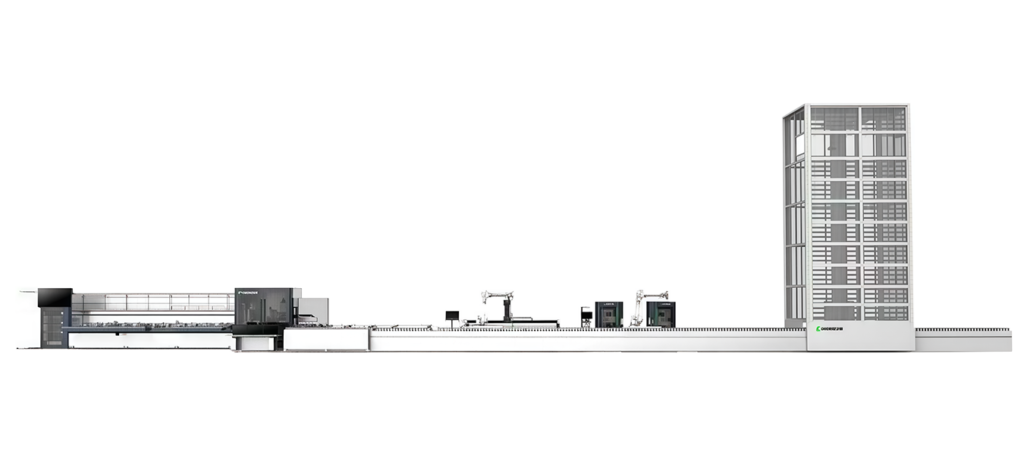
Modern door and window manufacturers face a surge in demand for custom-sized and specialty products. The intelligent door & window production line excels at handling such multi-variant orders. By storing thousands of profile types and process parameters digitally, the system allows a seamless switch from one order to another in just a few minutes.
Example: A high-end aluminum window factory reported that they could switch from producing 500 units of casement windows to 600 units of sliding windows in under 10 minutes, something impossible with legacy machinery.
Quick Mold and Tool Change
- Automated tool changers minimize downtime.
- CNC drills, milling heads, and saws are pre-programmed for multiple profiles.
- Digital scheduling ensures that production orders are queued and executed with minimal human intervention.
This flexibility ensures manufacturers can fulfill small-batch, high-mix orders efficiently, satisfying modern market expectations for personalization and speed.
5. Sustainability and Safety Advantages
Green Manufacturing Practices
With environmental concerns rising, sustainable production is a competitive advantage. Intelligent lines integrate:
- Energy-efficient motors: Reduce non-productive energy usage by 18–20%.
- Dust and noise reduction systems: Improve workplace safety and reduce environmental impact.
- Material optimization: Minimizes aluminum scrap and reduces waste by up to 15%.
These measures not only meet environmental regulations but also help brands promote green credentials to clients.
Safety and Compliance
- CE-certified safety interlocks protect operators.
- Predictive maintenance reduces the risk of mechanical failures.
- Remote monitoring allows supervisors to detect hazards in real-time.
Table 1: Safety & Sustainability Metrics
| Metric | Traditional Line | Intelligent Line |
|---|---|---|
| Energy Efficiency | Low | High, 18% less non-productive use |
| Waste Reduction | Moderate | High, 10–15% scrap reduction |
| Noise Level | 85–90 dB | <70 dB with advanced damping |
| Safety Incidents | 2–3 per month | <1 per year (with interlocks) |
Comparative Analysis: Intelligent vs Traditional Lines
Production Efficiency Comparison
| Feature | Traditional Line | Intelligent Line |
|---|---|---|
| Automation Level | Partial | Full, end-to-end |
| Precision | ±0.5mm | ±0.1mm |
| Flexibility | Low | High, multi-variant ready |
| Labor Dependency | High | Low |
| Energy Consumption | Moderate | Optimized |
Why Upgrade?
The comparison makes clear that investing in intelligent door & window production lines reduces operational costs, improves output quality, and allows rapid adaptation to market changes. Manufacturers using intelligent lines report:
- 30–40% labor savings
- 20–25% faster order fulfillment
- Significant reduction in product defects (<1%)
Real-World Case Studies
European Aluminum Window Manufacturer
- Challenge: Small batch, high-precision custom orders.
- Solution: Installed a fully automated intelligent line with M-OS software integration.
- Results:
- Production output increased by 3x
- Material waste reduced by 12%
- On-time delivery improved to 97%
Asian Smart Factory
- Challenge: Labor shortages and high energy costs.
- Solution: Intelligent line with predictive maintenance and energy optimization.
- Results:
- Labor requirement reduced by 45%
- Energy consumption decreased by 20%
- Safety incidents eliminated
These examples demonstrate that intelligent door & window production lines are not just theoretical concepts — they deliver measurable ROI and operational benefits.
Market Trends and Global Outlook
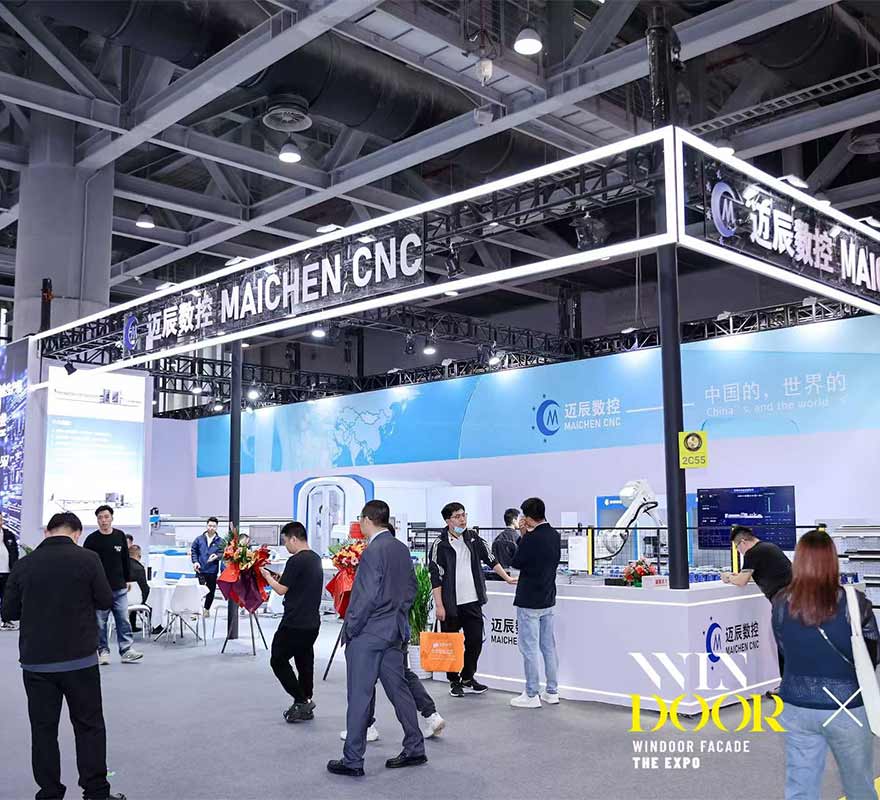
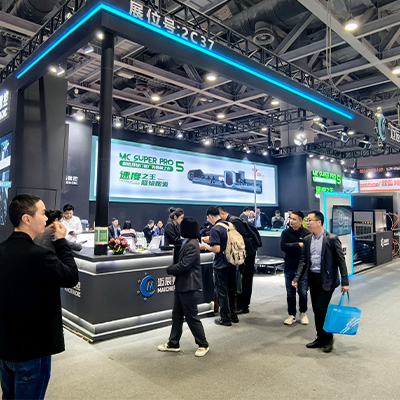
The global intelligent door and window production market is projected to grow 8–10% annually over the next five years. Key drivers include:
- Increasing demand for energy-efficient windows
- Rising labor costs and skill shortages
- Growing customization trends in residential and commercial sectors
- Governmental green manufacturing policies
Early adopters gain a strategic advantage, combining speed, precision, and sustainability to meet market demands.
Conclusion
In summary:
- Efficiency: 3x output with fewer labor costs
- Precision: Sub-millimeter tolerances and minimal scrap
- Flexibility: Quick switches between order types
- Sustainability: Energy and material savings
- Safety: CE-certified interlocks and predictive maintenance
For manufacturers aiming to stay competitive, improve quality, and support sustainable practices, the intelligent door & window production line is no longer optional — it’s a strategic necessity.
By embracing automation, digital intelligence, and flexible production strategies, companies can transform traditional workshops into modern, high-performing, and sustainable operations.
FAQ
What makes an intelligent door & window production line different from semi-automated equipment?
Fully integrated automation, predictive analytics, digital scheduling, and real-time monitoring distinguish it from semi-automated machinery.
Can small workshops adopt this technology?
Yes, flexible line configurations support both large-scale production and small-batch custom orders.
How long is the ROI payback period?
Typical ROI ranges from 18–36 months, depending on production volume and energy/labor savings.
Is it compatible with existing ERP or MES systems?
Yes, most intelligent door & window production lines provide seamless integration with ERP/MES platforms.
Are these systems future-proof for new window designs?
Yes, because profiles, tools, and process parameters are stored digitally and can be reprogrammed easily for new designs.