How to Choose the Right Aluminium Cutter for Your Project
Table of Contents
Selecting the right aluminium cuter for your project can significantly impact your productivity, efficiency, and the quality of your work. Whether you are working in a small workshop, an industrial fabrication line, or on a large-scale manufacturing project, understanding the different types of aluminium cutters and their applications is essential. This guide will provide you with comprehensive insights to make an informed decision.
What Is an Aluminium Cutter and How Does It Work?
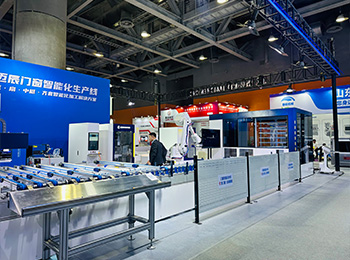
An aluminium cuter is a tool or machine specifically designed to cut aluminium and its alloys with precision and efficiency. Depending on the model, aluminium cutters can be manual, electric, or CNC-operated.
Manual aluminium cutters are simple and ideal for smaller jobs, requiring physical operation. Electric aluminium cutters, on the other hand, provide faster cutting and higher consistency, which is beneficial for medium-volume production. CNC aluminium cutters offer automation, repeatability, and high-precision cutting, making them suitable for industrial-scale projects.
The cutting mechanism generally involves a sharp blade or a rotating saw that applies controlled force to separate aluminium sheets or profiles without deforming the material. The blade material, cutting speed, and feed rate all influence the quality and accuracy of the cut.
Main Types of Aluminium Cutters for Different Applications
When selecting an aluminium cuter, it is important to match the machine type to your specific requirements:
- Manual Aluminium Cutters: Ideal for workshops or DIY projects. These cutters are lightweight and portable but require physical effort.
- Electric Aluminium Cutters: Suitable for medium-scale production. They offer consistent cuts and faster operation than manual tools.
- CNC Aluminium Cutters: Best for precision and high-volume industrial operations. CNC machines automate the cutting process, ensuring accuracy and repeatability.
- Industrial Heavy-Duty Aluminium Cutters: Designed for continuous production, these machines can handle thick aluminium profiles and provide long service life.
Key Factors to Consider When Choosing an Aluminium Cutter
Choosing the right aluminium cuter requires careful consideration of multiple factors:
- Material Thickness and Cutting Capacity: Ensure the machine can handle the thickness and type of aluminium you work with.
- Cutting Precision and Tolerance Requirements: High-precision projects require CNC machines or high-quality blades.
- Production Volume and Efficiency Needs: Larger production volumes may justify investing in automated systems.
- Machine Durability and Service Life: Consider build quality and maintenance requirements to minimize downtime.
- Budget and Total Cost of Ownership: Factor in initial cost, blade replacements, energy consumption, and potential repair expenses.
Aluminium Cutter Blade Quality and Material Selection
Blade quality directly affects cut quality and operational efficiency. Most aluminium cutter blades are made of hardened steel or carbide, with carbide blades offering superior durability and sharper edges. Regular inspection and timely replacement of blades prevent uneven cuts and material wastage.
| Blade Material | Advantages | Recommended Use | Replacement Frequency |
|---|---|---|---|
| Carbide | Long lifespan, high precision | Industrial & CNC cutters | Every 6-12 months depending on use |
| Hardened Steel | Affordable, versatile | Manual & electric cutters | Every 3-6 months depending on thickness |
| Bi-metal | Flexible & durable | Medium-scale production | Every 6 months |
According to industrial reports, using carbide blades can increase cutting efficiency by up to 30% compared to standard steel blades in high-volume operations.
CNC Aluminium Cutter vs Traditional Cutting Machines
CNC aluminium cutters provide several advantages over traditional manual and electric machines:
- Accuracy and Automation: CNC systems can repeat precise cuts with minimal operator intervention.
- Labor Cost Reduction: Automation reduces manual labor requirements, allowing operators to focus on other tasks.
- Versatility: CNC cutters can handle complex profiles and patterns that are difficult to achieve manually.
For high-volume or precision-critical applications, CNC aluminium cutters are often the preferred choice.
Safety Features You Should Look for in an Aluminium Cutter
Safety should never be overlooked. Essential safety features include:
- Emergency stop systems to halt operation instantly.
- Protective covers to prevent contact with moving blades.
- Anti-vibration designs to reduce operator fatigue and improve cut stability.
Adhering to safety standards ensures a safer working environment and prolongs machine lifespan.
Maintenance Tips to Extend Aluminium Cutter Lifespan
Proper maintenance is critical for performance and longevity:
- Clean and lubricate moving parts daily to prevent rust and friction.
- Inspect blades regularly and replace them when worn or damaged.
- Follow the manufacturer’s recommended maintenance schedule to avoid breakdowns.
Routine maintenance not only preserves cutting accuracy but also reduces long-term operational costs.
Aluminium Cutter Price Range and Cost Factors
The cost of an aluminium cuter varies widely depending on type, capacity, and brand:
- Entry-level manual cutters are affordable and suitable for small workshops.
- Electric and medium-scale cutters are moderately priced but offer faster operation.
- Industrial CNC and heavy-duty machines represent a significant investment but deliver high efficiency and precision.
Other factors affecting cost include blade type, automation level, and manufacturer support.
Best Applications of Aluminium Cutter Machines
Aluminium cutters are versatile tools used across industries:
- Construction: Cutting aluminium profiles for windows, doors, and panels.
- Automotive and Aerospace: High-precision cutting of aluminium components.
- Metal Fabrication Workshops: Small and medium-scale cutting for prototypes and production lines.
Choosing the right cutter ensures your project runs smoothly and meets quality standards.
Where to Buy a Reliable Aluminium Cutter Machine
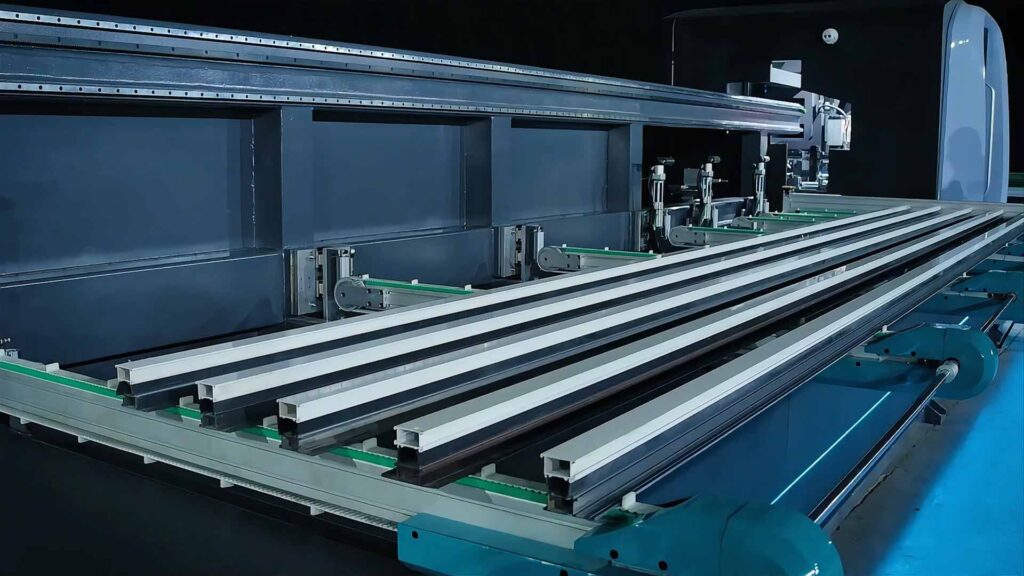
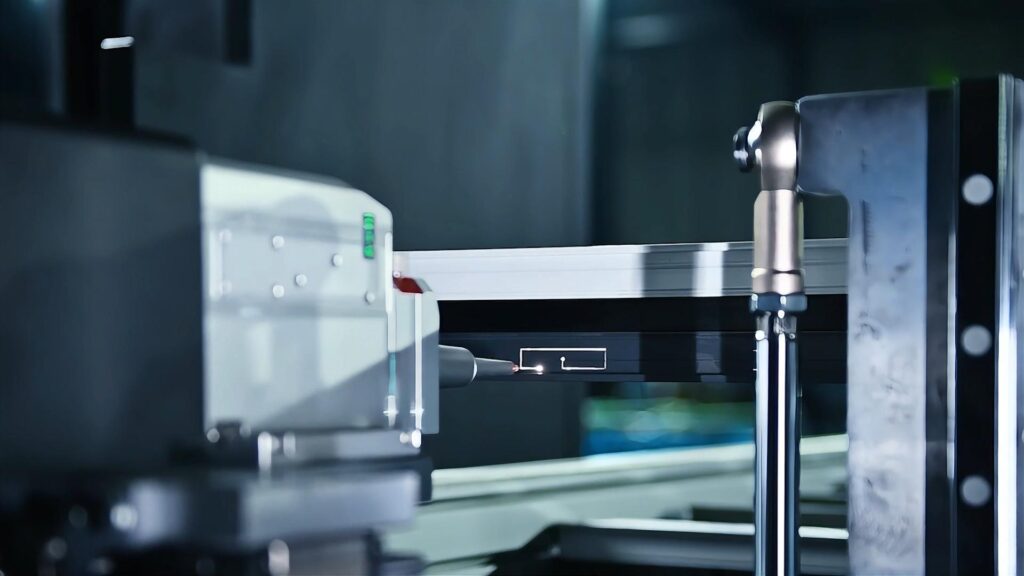
Finding a trusted supplier is crucial. When sourcing an aluminium cuter:
- Look for manufacturers with experience in producing cutting equipment.
- Consider factory-direct purchases to reduce cost and ensure quality.
- Explore OEM options for custom specifications and bulk orders.
A reliable supplier ensures support, spare parts availability, and long-term operational stability.
Conclusion
Choosing the right aluminium cuter requires balancing your project needs with the machine’s capabilities, precision, and cost. Begin by assessing the type of aluminium, production volume, and desired accuracy. Factor in blade quality, safety features, and maintenance requirements to make a long-term investment. By carefully selecting the appropriate aluminium cutter, you can achieve consistent, high-quality results while optimizing efficiency and reducing operational costs.
FAQ
What is an aluminium cuter used for?
An aluminium cuter is designed to precisely cut aluminium profiles, sheets, and extrusions. It is widely used in fabrication, construction, and manufacturing industries to ensure clean edges, accurate dimensions, and efficient processing of aluminium materials.
How do I choose the right aluminium cutter for my project?
Choosing the right aluminium cuter depends on material thickness, production volume, and precision requirements. Manual tools suit small jobs, while CNC or electric machines are better for high-volume, high-accuracy industrial applications.
What is the difference between manual and CNC aluminium cutters?
Manual aluminium cuters require operator control and are suitable for simple tasks. CNC aluminium cutters are automated, offering higher precision, repeatability, and efficiency, making them ideal for industrial-scale and complex cutting operations.
How often should aluminium cutter blades be replaced?
Blade lifespan depends on usage intensity and material hardness. On average, carbide blades last longer than steel blades. Regular inspection is important, and replacement is needed when cuts become rough or accuracy decreases.
What safety features should an aluminium cutter have?
A reliable aluminium cuter should include emergency stop systems, blade guards, and anti-vibration design. These features help protect operators, improve stability, and reduce the risk of accidents during high-speed cutting operations.
Need Help Choosing the Right Aluminium Cutter?
If you’re unsure which aluminium cutter is best for your production line, workshop, or manufacturing needs, our experts are here to help. Contact us today for a personalized consultation and get the most suitable cutting solution for your application. Ensure higher precision, better efficiency, and reliable performance for your business. Don’t wait—get in touch now to upgrade your aluminium cutting capability and improve your production results!