5 Proven Benefits of a Production Line for Doors and Windows
Table of Contents
Introduction
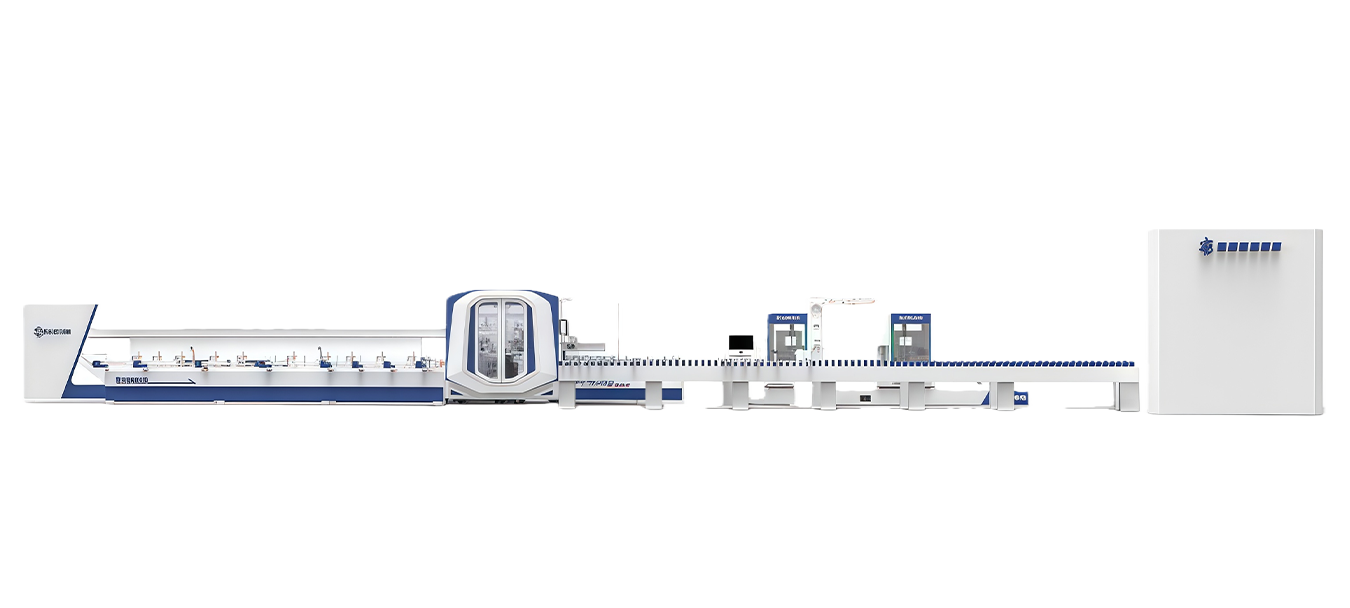
In today’s manufacturing landscape, producing high-quality doors and windows efficiently is more important than ever. Traditional manual production methods often struggle to meet growing market demands, with common issues including inconsistent product quality, high labor costs, and frequent material waste. These challenges can slow production, increase costs, and ultimately impact profitability.
Research from MarketsandMarkets indicates that companies adopting advanced automated and CNC production lines can improve efficiency by up to 30% while reducing material waste by 15% or more. This highlights the strategic advantage of investing in a modern production line for doors and windows. With automation, manufacturers can achieve higher precision, consistent output, and flexible operations that adapt to a variety of project requirements.
Benefit 1 – Enhanced Production Efficiency
One of the most significant advantages of a production line for doors and windows is the dramatic increase in efficiency. Modern systems integrate multiple processes, from material loading and cutting to drilling, milling, and sorting, into a single automated workflow. This end-to-end automation minimizes manual handling and reduces production time per unit.
Machines with multi-head systems, such as double-head or three-head cutting saws, allow simultaneous operations at multiple angles. For example, a three-head cutting system can perform both 45° and 90° cuts in one pass, making it ideal for sliding doors, curtain walls, and standard window profiles. The ability to handle multiple cuts simultaneously can significantly increase throughput and reduce bottlenecks in production.
Benefit 2 – Improved Cutting Precision and Quality
Precision is critical in doors and windows manufacturing, as even minor deviations can affect assembly and overall product performance. Modern CNC-controlled cutting equipment maintains cutting accuracy within ±0.1mm, ensuring consistent and high-quality output. Servo motors, precision linear guides, and advanced feed systems reduce vibration and maintain consistent cutting speeds.
This level of precision is especially important for complex profiles, curved shapes, or multi-material components. Machines designed for arc or curve cutting ensure that angles and surface finishes meet exact specifications, which reduces rework and material waste while improving the overall aesthetics of the final product.
Benefit 3 – Flexible and Customizable Production
A modern production line for doors and windows is highly adaptable. It can process a wide range of materials, including aluminum, PVC, and composite profiles, and can handle both small batch orders and large-scale production runs. Multi-head cutting machines and CNC bending equipment enable quick changeovers between different product types, allowing manufacturers to meet customized orders without disrupting overall workflow.
This flexibility supports manufacturers who need to produce multiple product designs on the same line, from standard doors and windows to specialized curved or arched components. Quick switching between production types reduces downtime and ensures high utilization of equipment.
Benefit 4 – Reduced Labor Dependency
Automation in production lines significantly lowers reliance on skilled labor. PLC-controlled feeding and positioning systems, automated cutting heads, and integrated quality monitoring reduce the need for constant human supervision. Fewer operators are required to manage high-volume production, which translates into predictable labor costs and reduced errors caused by manual handling.
By reducing labor dependency, manufacturers can also scale operations more efficiently. Automated production lines allow for 24/7 operation, helping factories meet tight deadlines without compromising quality.
Benefit 5—Data-Driven Decision Making
Modern production lines are increasingly integrated with digital management systems. Real-time monitoring of machine performance, energy consumption, output, and maintenance schedules provides actionable insights. Data collected from the line can be analyzed to optimize workflow, improve energy efficiency, and predict maintenance needs.
Integration with ERP and MES systems allows production orders to be imported directly into the cutting equipment, automatically generating optimized cutting paths and material layouts. This reduces waste, shortens production lead times, and enhances overall decision-making capabilities.
Types of Production Lines for Doors and Windows
There are several configurations of production lines, each designed for different manufacturing needs:
Double Head Cutting Systems
These systems allow two simultaneous cuts, supporting 45° and 90° angles. They are ideal for high-volume production while maintaining precision.
Multi-Head and Curve Cutting Machines
Three-head systems and curve cutting saws enable more complex operations, including sliding door profiles, curtain wall components, and curved window frames. These systems are especially useful for manufacturers handling custom designs.
Specialized Cutting Equipment
Equipment such as corner connector cutting saws and glazing bead saws with wireless measurement systems improve efficiency for specific components. These machines reduce setup time and provide highly accurate, repeatable cuts.
Comparison: CNC vs Traditional Production Lines
| Feature | Traditional Production Line | CNC/Automated Production Line |
|---|---|---|
| Precision | ±0.5–1mm | ±0.1mm |
| Labor Requirement | High | Low |
| Efficiency | Moderate | High |
| Automation | Limited | Full or semi-automated |
| Customization | Difficult | Easy and fast |
For manufacturers, the choice between traditional and CNC production lines depends on production volume, required precision, and scalability. Small workshops may still benefit from simpler double-head systems, while medium to large-scale factories achieve better ROI through automated CNC solutions.
Common Mistakes When Selecting a Production Line
Ignoring Long-Term ROI
Choosing equipment solely based on upfront cost can lead to higher long-term expenses due to maintenance, inefficiency, and lost productivity.
Overlooking Material Compatibility
Not all production lines handle every type of profile. Selecting a machine without considering the materials you use can limit flexibility and reduce overall performance.
Neglecting Maintenance and Safety Features
Failing to prioritize maintenance and safety can result in downtime, higher repair costs, and potential workplace hazards. Machines with built-in lubrication systems, protective covers, and automated calibration features reduce these risks.
Conclusion
Investing in a production line for doors and windows is more than acquiring equipment—it’s building a foundation for consistent quality, efficiency, and scalability. By selecting machines that match your production needs, prioritize precision, and integrate digital monitoring, manufacturers can achieve higher throughput, lower costs, and greater flexibility.
In an increasingly competitive market, the right production line enables your business to deliver superior products, reduce waste, and respond quickly to customer demands. The choice you make today will define the efficiency and profitability of your operations for years to come.
FAQ
What is the best production line for doors and windows?
The best option balances precision, efficiency, and scalability. Multi-head CNC cutting systems often provide the most flexibility and long-term value.
How much does a production line for doors and windows cost?
Costs vary based on automation level, features, and production capacity. Entry-level machines are more affordable, while fully automated CNC lines require higher investment but yield a better ROI.
Can I customize a production line for my factory size?
Yes. Many manufacturers offer modular solutions that can be scaled to fit small, medium, or large production environments.
How does automation improve doors and windows production?
Automation reduces manual labor, improves precision, accelerates production, and ensures consistent quality across batches.
Which features are most important for high-efficiency lines?
Key features include CNC control, multi-head cutting capability, digital monitoring systems, and compatibility with ERP/MES integration.
Need Help Choosing the Right Production Line for Doors and Windows?
If you’re unsure which production line suits your factory size, materials, or production goals, our experts are here to guide you. Contact us today for a personalized consultation, and ensure your manufacturing process is efficient, precise, and scalable. Don’t wait to improve your production—get in touch now to maximize output and quality!