Aluminium Window Making Machine for Smarter Production
Table of Contents
Introduction
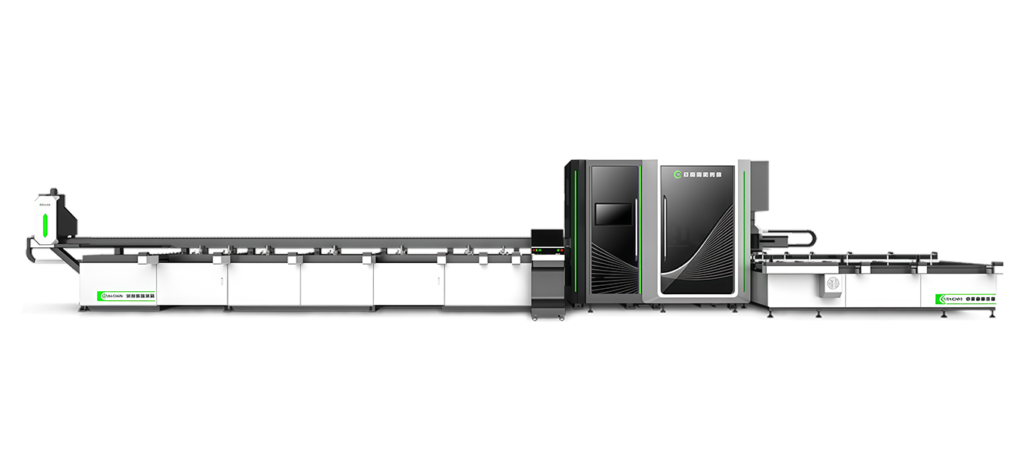
If you are still relying on fragmented equipment and manual processes to produce aluminum windows, you are likely facing the same challenges many manufacturers encounter today—rising labor costs, inconsistent product quality, and increasing pressure for faster delivery times.
The market has shifted. Customers now expect high precision, customized designs, and shorter lead times. At the same time, production complexity continues to grow. This is exactly where an aluminium window making machine becomes more than just equipment—it becomes a complete solution for transforming how your factory operates.
According to industry research on manufacturing automation, companies that implement integrated production systems can improve operational efficiency by 20–30% and reduce defect rates by up to 25%. These are not small gains. They represent a significant competitive advantage.
In this article, you will learn how an aluminium window making machine can reshape your production process, how to choose the right configuration, and how to apply it in a way that delivers real, measurable results.
What Is an Aluminium Window Making Machine
An aluminium window making machine is not a single piece of equipment, but a coordinated system designed to process aluminum profiles into finished window components. It typically includes multiple machines working together, such as:
- Cutting machines for precise profile sizing
- End milling machines for joint preparation
- Punching machines for hardware installation
- Drilling and milling systems for detailed processing
The key difference between traditional setups and modern systems is integration. Instead of operating independently, these machines are connected through automation and digital control, forming a continuous production workflow.
For you, this means fewer manual steps, higher consistency, and faster output.
Why Traditional Production Methods Are Holding You Back
Before upgrading, it’s important to understand the limitations of older production methods.
Inconsistent Accuracy
Manual operations often result in variations in cutting and machining, which directly affect window sealing and structural performance.
Low Production Efficiency
Frequent manual adjustments and material handling slow down production cycles and increase labor requirements.
Limited Customization Capability
Handling multiple designs requires constant setup changes, making it difficult to meet modern customization demands.
High Operational Costs
Labor-intensive processes increase long-term costs and reduce profitability.
These challenges make it difficult for your factory to scale or compete effectively in today’s market.
How an Aluminium Window Making Machine Transforms Your Factory
Integrated Workflow
Instead of separate machines working independently, a modern system connects every stage of production. This reduces delays and ensures smooth material flow.
Automation and Reduced Labor
Automated loading, positioning, and processing reduce reliance on manual labor while improving safety and consistency.
High Precision Processing
Advanced CNC systems ensure cutting and machining accuracy within tight tolerances, improving final product quality.
Faster Production Cycles
By minimizing manual intervention and optimizing workflows, production speed increases significantly.
Real Case: From Manual Workshop to High-Efficiency Production
A mid-sized window manufacturer struggled with inconsistent quality and delayed deliveries due to manual processes. Their production relied on standalone machines and manual material handling.
After implementing an integrated aluminium window making machine system, the results were clear:
- Production capacity increased by 2.5 times
- Labor costs reduced by approximately 35%
- Product defect rate dropped significantly
- Order turnaround time improved by over 40%
The most important change was the shift from manual coordination to system-driven production, which improved both efficiency and reliability.
Key Components You Should Focus On
CNC Cutting Machines
These machines provide precise and consistent cutting, ensuring that every profile meets design specifications.
End Milling Systems
Used for preparing profile ends, these systems ensure proper alignment during assembly.
Punching Machines
They create holes and grooves required for hardware installation, improving assembly efficiency.
Automation Systems
Material handling and positioning systems reduce manual work and improve workflow continuity.
Comparison: Traditional Setup vs Modern Production System
| Feature | Traditional Setup | Modern System |
|---|---|---|
| Precision | Medium | High |
| Efficiency | Low | High |
| Labor Requirement | High | Low |
| Flexibility | Limited | Strong |
| Consistency | Variable | Stable |
This comparison highlights why more manufacturers are moving toward integrated production systems.
How You Can Choose the Right Aluminium Window Making Machine
Understand Your Production Needs
Evaluate your current output, product types, and future growth plans.
Focus on System Integration
Choose equipment that works together as a complete system rather than isolated machines.
Prioritize Precision and Stability
High-quality components ensure long-term reliability and consistent performance.
Consider Scalability
Your system should be able to expand as your business grows.
Common Mistakes You Should Avoid
Choosing Based on Price Alone
Lower-cost equipment often leads to higher maintenance and lower performance.
Ignoring Automation Potential
Without automation, you miss out on efficiency improvements.
Overlooking Software Integration
Digital control is essential for modern manufacturing.
Maintenance and Optimization Tips
- Regularly inspect mechanical components
- Keep systems clean and properly lubricated
- Monitor machine performance data
- Train operators for efficient usage
Proper maintenance ensures consistent performance and extends equipment lifespan.
Future Trends in Aluminium Window Manufacturing
Smart Manufacturing
Integration with digital systems will continue to improve efficiency and flexibility.
Increased Customization
Production systems will become more adaptable to different product designs.
Energy Efficiency
New technologies will reduce energy consumption and environmental impact.
Conclusion
An aluminium window making machine is not just an upgrade—it is a transformation of how your factory operates.
By integrating automation, precision engineering, and intelligent control systems, you can improve efficiency, reduce costs, and meet the growing demands of modern manufacturing.
If you are looking to scale your business and improve product quality, investing in the right system is one of the most effective steps you can take.
FAQ
What is an aluminium window making machine used for?
It is used to process aluminum profiles into window components through cutting, milling, and punching operations.
Is it suitable for small factories?
Yes, systems can be configured based on production scale.
How much does it improve efficiency?
Efficiency improvements can vary but are often significant compared to manual processes.
Can it handle custom designs?
Yes, modern systems are designed for flexibility.
How do I choose the right system?
Focus on precision, integration, and scalability.