End Milling Machine Guide to Precision Door Manufacturing
Table of Contents
Introduction
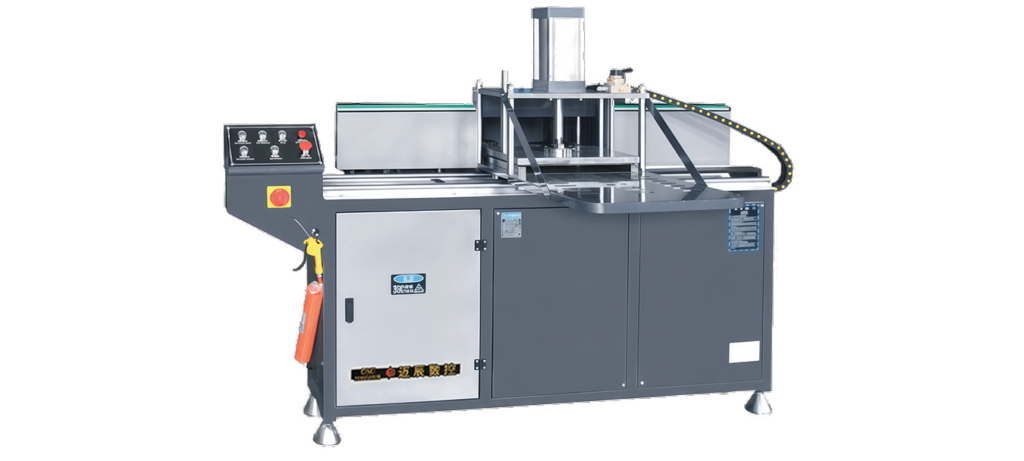
If you are involved in manufacturing aluminum doors and windows, you already understand that precision is everything. Even a small deviation in profile processing can lead to misalignment, poor sealing, or structural instability. This is where an end milling machine becomes one of the most critical pieces of equipment in your production workflow.
In recent years, the shift toward customized doors, higher quality standards, and faster delivery cycles has made traditional manual milling methods increasingly inefficient. According to industry data from global manufacturing automation studies, companies that adopt CNC-based milling and integrated machining systems can improve processing accuracy by over 40% while reducing rework rates by nearly 25%.
For you, this is not just about upgrading equipment—it’s about building a production process that can consistently deliver precision, speed, and reliability. In this guide, you will learn how an end milling machine works, how it fits into your production line, and how you can choose and use it to maximize your factory’s performance.
What Is an End Milling Machine and What Does It Do
An end milling machine is designed to process the end faces of aluminum profiles, ensuring they fit together precisely during assembly. In door and window manufacturing, this is especially important for joints, corner connections, and frame alignment.
Instead of relying on manual grinding or basic milling tools, modern end milling machines use high-speed spindles and precision-controlled movement systems to achieve consistent results. These machines can handle complex profile shapes, ensuring that each component meets exact design specifications.
For example, when producing sliding door frames, the upper and lower tracks must align perfectly. An end milling machine ensures that the profile ends are processed accurately so that the final assembly is seamless and structurally stable.
Why Traditional Milling Methods No Longer Meet Your Needs
Before investing in modern equipment, it’s important to understand why traditional methods fall short.
Lack of Precision
Manual milling or outdated machines often struggle to maintain consistent accuracy. Even minor inconsistencies can lead to assembly issues and increased rejection rates.
Low Efficiency
Traditional processes require multiple setups and manual adjustments, which slow down production and increase labor costs.
Limited Flexibility
Handling different profile designs requires frequent recalibration, making it difficult to manage customized orders efficiently.
High Labor Dependency
Manual operations rely heavily on skilled workers, making production vulnerable to workforce availability and experience levels.
These limitations directly impact your productivity, cost control, and ability to compete in a demanding market.
How an End Milling Machine Improves Your Production
Precision That Ensures Perfect Assembly
Modern machines use servo motors, linear guide systems, and ball screws to maintain high positioning accuracy. This ensures that every milled surface meets tight tolerances, reducing errors during assembly.
Smooth and Stable Operation
High-speed spindle motors provide stable rotation and strong cutting performance. This results in clean, smooth surfaces and improved product quality.
Flexible Angle Processing
Advanced machines allow the spindle to rotate between 0° and 90°, enabling you to process different profile configurations without changing setups.
Digital Control and Repeatability
With software integration, you can input profile dimensions once and reuse them across multiple production cycles. This reduces setup time and ensures consistent results.
Real Case: Improving Frame Alignment and Reducing Rework
A door manufacturing factory producing aluminum sliding doors faced frequent assembly issues due to inconsistent end processing. Profiles often required manual adjustments, leading to delays and increased labor costs.
After introducing a modern end milling machine, the factory achieved:
- A 35% reduction in rework rates
- Improved alignment accuracy across all products
- A 20% increase in overall production efficiency
- Faster order turnaround times
The key improvement came from consistent machining precision and reduced reliance on manual adjustments.
Key Features You Should Look for in an End Milling Machine
When selecting equipment, you should focus on the following features:
Structural Stability
A one-piece cast base provides better rigidity and reduces vibration, ensuring consistent machining accuracy over time.
Precision Motion System
Linear guide rails, ball screws, and rack systems ensure smooth movement and precise positioning.
High-Speed Spindle
A stable spindle motor improves cutting performance and reduces noise, which is important for long production cycles.
Flexible Angle Adjustment
The ability to process profiles at different angles increases versatility and reduces setup time.
Intelligent Software
Software that supports parameter input and storage allows you to streamline operations and improve efficiency.
Comparison: Manual vs CNC End Milling Machines
| Feature | Manual Milling | CNC End Milling Machine |
|---|---|---|
| Precision | Low | High (±0.1mm) |
| Efficiency | Low | High |
| Labor Dependency | High | Low |
| Repeatability | Inconsistent | Stable |
| Flexibility | Limited | High |
From this comparison, it is clear that CNC-based systems offer significant advantages in both performance and scalability.
How to Integrate an End Milling Machine Into Your Production Line
To maximize its value, an end milling machine should not operate in isolation. Instead, it should be integrated into a broader production workflow.
Upstream Integration
The machine should receive profiles directly from cutting systems, reducing manual handling.
Downstream Integration
Processed profiles should move seamlessly to assembly or further machining stations.
Digital Integration
Connecting the machine to your production management system allows for automated order processing and real-time monitoring.
Common Mistakes to Avoid When Choosing an End Milling Machine
Choosing Based on Price Alone
Lower-cost machines may lack durability and precision, leading to higher long-term costs.
Ignoring Software Capabilities
Without proper software integration, you lose efficiency and data visibility.
Overlooking Future Needs
Your equipment should be able to handle increased production and new product designs.
Maintenance Tips to Extend Machine Lifespan
Regular maintenance is essential for long-term performance.
- Clean guide rails and moving parts daily
- Check spindle condition and lubrication systems
- Monitor tool wear and replace cutters when needed
- Calibrate the machine periodically
Proper maintenance can reduce downtime and ensure consistent output quality.
Future Trends in End Milling Machine Technology
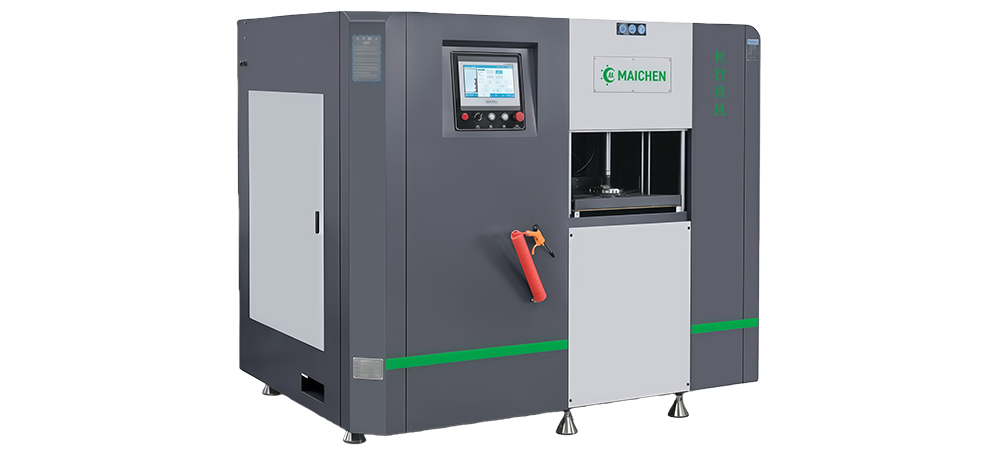
Increased Automation
Machines are becoming more integrated with automated feeding and handling systems.
Data-Driven Manufacturing
Real-time data collection allows for better decision-making and predictive maintenance.
Higher Precision Standards
As product requirements become more demanding, machines continue to evolve toward even tighter tolerances.
Conclusion
An end milling machine is not just another piece of equipment—it is a key factor in determining the quality and efficiency of your entire production process.
By investing in a high-precision, well-integrated system, you can reduce errors, improve productivity, and meet the growing demands of modern manufacturing. Whether you are upgrading an existing factory or building a new production line, the right choice will have a lasting impact on your business performance.
If your goal is to produce high-quality doors with consistent precision and efficiency, choosing the right end milling machine is one of the most important decisions you can make.
FAQ
What is an end milling machine used for?
It is used to process the end faces of aluminum profiles, ensuring accurate assembly in door and window manufacturing.
How accurate is a modern end milling machine?
Most advanced machines can achieve precision within ±0.1mm.
Can it handle different profile types?
Yes, modern machines are designed to handle various shapes and configurations.
Is it suitable for small factories?
Yes, depending on your production needs, there are scalable solutions available.
How do I choose the right machine?
Consider factors such as precision, automation level, software integration, and future scalability.
Need Help Choosing the Right End Milling Machine?
If you’re unsure which end milling machine best fits your production needs, materials, or factory setup, our experts are here to guide you. Contact us today for a personalized consultation, and ensure your machining process is precise, efficient, and scalable. Don’t wait to upgrade your production—get in touch now to improve quality and performance!